October to March is the easiest period for most travellers. The weather is cooler, early mornings are comfortable and long sightseeing days are easier.
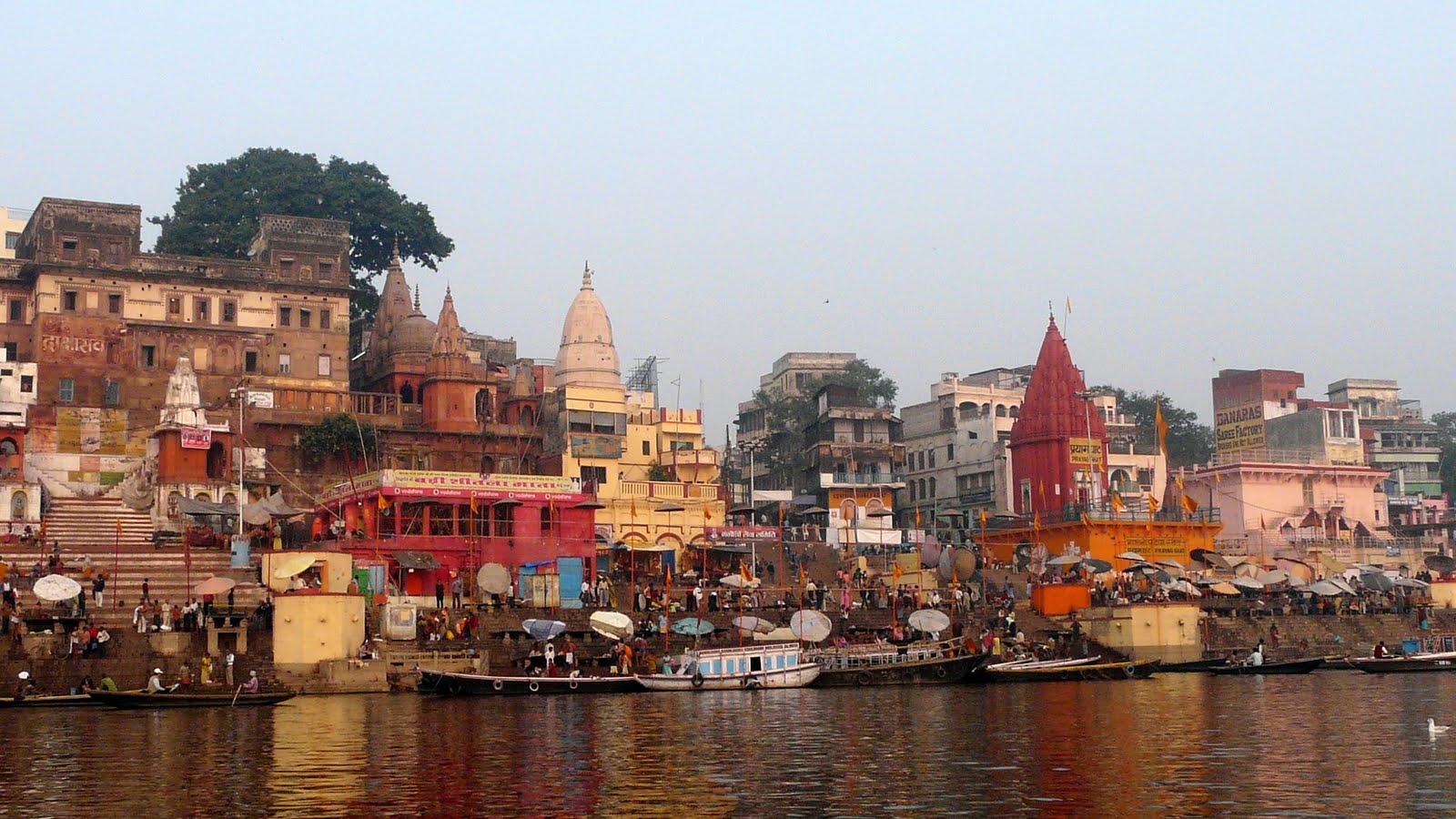
October to March: the easiest season
This is the period we recommend most often for first-time international visitors. Mornings can be cool in mid-winter, so a light jacket or shawl is useful on the river. Days are generally more comfortable for walking and sightseeing than the hotter months.
April to June: hot, but quieter
Late spring and early summer can be very hot. If you travel then, start early, return to the hotel during the hottest part of the day and go out again later. A private programme helps because the day can be broken into shorter, more comfortable outings.
Monsoon: beautiful, but river plans can change
The monsoon changes the look and mood of Varanasi. River levels rise and boat operations can be restricted or suspended by the local administration. If a sunrise boat ride is essential to you, keep this uncertainty in mind when choosing dates.
Festival dates need extra planning
Major religious festivals can be extraordinary, but they also bring larger crowds, traffic controls and changing access arrangements. Dev Deepawali, Maha Shivratri and other important dates should be treated as special programmes rather than normal sightseeing days.
What we recommend for a premium private trip
If your dates are flexible, choose the cooler months and give the city at least two nights. If you are travelling in a hotter or busier period, spend a little more time in Varanasi rather than trying to maintain the same sightseeing pace.
To translate the season into a workable itinerary, compare two, three or four days in Varanasi. Our Sarnath visiting guide also explains how to fit the museum and outdoor ruins around the rest of the day.
What winter mornings actually feel like
December and January can be cold and misty before sunrise, especially on the river. A clear winter morning can be beautiful, but fog occasionally reduces visibility and can affect the look of a sunrise boat ride. We advise guests to carry a light jacket or shawl and not to judge the whole morning only by whether the sun appears dramatically. The river activity, rituals and waking ghats remain worthwhile even on a soft, hazy morning.
How we plan the hot months
From April into June, the mistake is trying to copy a winter sightseeing schedule. We prefer a very early start, breakfast and temple visits before the heat builds, then a long hotel break. Sarnath or another outdoor visit can be placed later depending on temperature, and the evening outing starts only when conditions become comfortable. A good air-conditioned vehicle helps, but it cannot remove the heat from temple approaches and pedestrian areas, so pacing matters more than simply upgrading the car. Indoor or evening experiences such as a classical music programme can also work particularly well in a hot-weather itinerary.
Monsoon is about flexibility, not avoiding Varanasi altogether
High water can change boarding points, close some lower ghat steps and lead the administration to suspend boat operations for safety. That does not mean the entire trip fails. We keep a strong land-based morning alternative ready: old-city lanes, temples, markets and neighbourhood experiences still work, while experiences such as Banarasi weaving can be kept as useful land-based alternatives and the riverfront can be seen from safe accessible points. If boating is your single most important experience, however, the cooler dry season gives you more certainty.
Crowds can matter more than weather
A pleasant-weather weekend around a major festival may feel more demanding than a hotter but quiet weekday. Hotel location, temple queues, traffic diversions and Aarti access all change when the city is busy. If you have flexible dates, ask us not only about temperature but also about the local calendar. We often recommend shifting by a day or two when that produces a calmer experience without changing the overall trip.
Our favourite planning window
For a first private journey, late October through March is the easiest general window, but there is no single perfect week for everyone. Photographers may enjoy atmospheric winter mist, festival travellers may accept crowds for a once-a-year event, and repeat visitors may prefer quieter summer or monsoon travel. Travellers who prefer a gentler morning can also consider Subah-e-Banaras, Yoga & Local Breakfast rather than adding another dense sightseeing circuit. The right answer comes from matching the season to what you actually want to experience rather than choosing dates from a generic weather chart.