For most first-time visitors, two full sightseeing days are a good minimum; three days is our preferred relaxed pace. One full day covers selected highlights with an early start. Four days allows shorter outings and more rest. Count usable sightseeing hours as well as hotel nights.
What can you realistically cover in 4, 8 or 12 hours?
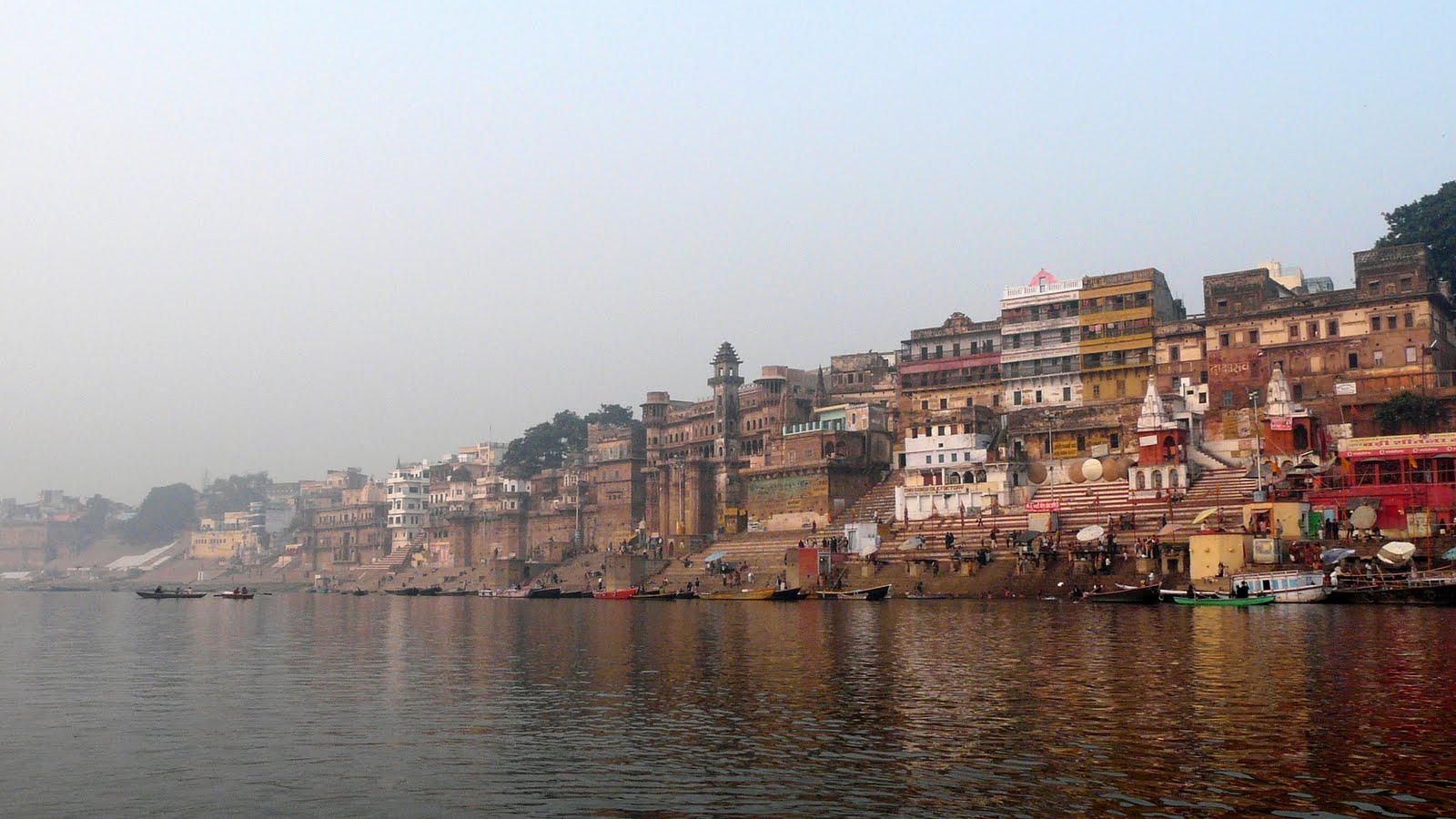
Around 4 hours: keep the plan focused. We normally recommend a sunrise boat ride followed by a short guided walk through the ghats and old city rather than trying to cross the city for a checklist of sights.
Around 8 hours: add the main city temple and cultural circuit to the boat and walk. This works well for travellers who have one sightseeing day but do not want a marathon programme.
Around 12 hours / one full day: an active traveller can combine the sunrise boat, old-city walk, principal city temples, Sarnath and the evening Ganga Aarti. It is achievable, but it is a long day and we would not use this pace for every traveller.
These timings are based on operating tours on the ground. Traffic, pedestrian zones, temple closures and ritual timings matter more in Varanasi than the distance shown on a map.
One day: possible, but full
With one complete sightseeing day, allow roughly 12 hours if you want the major highlights. A practical sequence is sunrise on the Ganges, an old-city walk, the principal city temples, Sarnath around the middle of the day, and the evening Ganga Aarti. This is best for reasonably active travellers; families with young children, elderly guests and anyone who prefers a slower rhythm should split the programme over two days.
Two days: the best short first visit
Two days allows a much better rhythm. Day 1 can begin gently with the old city and evening Aarti. Day 2 starts with sunrise on the river, followed by sacred and cultural Varanasi, breakfast and Sarnath. This is the option we recommend most often for travellers with limited time.
Three days: our preferred pace
The third day gives you room for something personal: Banarasi weaving, a food walk, southern ghats, a village experience, music or simply more time in the old city. It also gives you more flexibility if your arrival time changes.
Four days: Varanasi without pressure
Four days suits travellers who dislike early starts followed by packed sightseeing. You can separate Sarnath from the main city day, allow longer rest periods and add cultural experiences without feeling that everything has to happen at once.
Is two or three days better for your trip?
Choose two days in Varanasi if the river, Ganga Aarti, the old city and Sarnath are your priorities and you are comfortable with an early morning. Choose three days in Varanasi if you want those essentials plus weaving, food, music or longer breaks. Families and guests who prefer shorter walks often benefit more from the extra day than from adding more stops to a two-day plan.
Two nights with a late arrival and early departure can leave just one full day. Three nights usually offers more room, but your actual flight or train times decide the answer. Reserve a separate half-day slot for Sarnath from Varanasi and check the museum's Friday closure before choosing the order of your outings. Boat trips remain subject to river conditions and local permissions.
Share your arrival and departure times, hotel and priorities through Plan My Journey; we can recommend the right stay length before you finalise the programme.
Why good routing matters
A good Varanasi itinerary should avoid taking you back to the same neighbourhood repeatedly. Kashi Vishwanath, Annapurna and Vishalakshi, for example, are very close to one another and should normally be planned in the same old-city outing when they are relevant to the guest. Temple schedules matter too: many temples close around midday, while Kaal Bhairav and Sankat Mochan can remain closed longer into the afternoon. Rituals can also temporarily affect darshan, so we plan around the working religious schedule rather than filling every empty hour.
This is one reason automated itineraries can look impressive on paper but feel unrealistic on the ground: map distance alone does not show traffic restrictions, walking sections, security procedures or temple timings.
What changes the answer
Festival dates, mobility, photography interests, hotel location and whether you want Ayodhya or Prayagraj afterwards can all change the ideal stay. If your hotel is directly on the ghats, for example, the riverfront becomes part of your everyday experience and the programme can be more relaxed.
Why two nights is our practical minimum for most guests
Two nights gives you a chance to see both faces of the river: one evening and one early morning. It also leaves space for Sarnath or the major temples without putting every important experience into a single exhausting day. If your arrival is late or departure is early, however, two hotel nights may provide only one usable sightseeing day. We therefore plan by actual hours in the city, not simply by the number of nights printed on the booking.
Three nights works especially well for first-time international travellers
With three nights, the programme becomes much more forgiving. You can rest after the sunrise outing, keep Sarnath as a proper half-day visit, add a food, weaving, music or neighbourhood experience and still have time to enjoy the hotel or simply sit by the river. This is the length we like when a guest says they want to understand Varanasi rather than just cover the main sights.
When four nights makes sense
Four nights is not too long for photographers, repeat visitors, spiritual travellers or guests who dislike rushed mornings and late evenings. It also gives us room to move an activity if weather, high water, temple access or a local closure affects the original plan. A longer stay does not mean more sightseeing every day; often it means less sightseeing per day and a better overall experience.
Do not forget arrival and departure logistics
Varanasi airport is outside the old city and road time varies with traffic. Railway arrivals can also involve busy station approaches. If you land in the afternoon, checking in and immediately attempting a long temple circuit before Aarti may not be the best introduction. We prefer to use the first evening intelligently and protect the following morning, especially when the guest has travelled a long distance to reach India.