Varanasi in January 2027: Weather, Fog, Ganga Aarti & 3-Day Itinerary
Plan Varanasi in January 2027: cold weather, fog, sunrise boat permissions, Ganga Aarti, Kashi Vishwanath, Sarnath and a relaxed private 3-day itinerary.
Plan Varanasi in January 2027: cold weather, fog, sunrise boat permissions, Ganga Aarti, Kashi Vishwanath, Sarnath and a relaxed private 3-day itinerary.
Published · Tour Varanasi Operations Team
January is a rewarding time to visit Varanasi: the afternoons are often comfortable for walking, the Ganges takes on a quieter winter atmosphere, and the evening Ganga Aarti feels especially atmospheric after sunset. The complication is fog. A programme that promises a fixed early boat departure regardless of visibility is not a sensible winter itinerary.
Allow two to three days for a first visit, carry layers for cold mornings, keep sunrise plans flexible, and place Kashi Vishwanath, Sarnath and the evening Aarti in a sequence that avoids unnecessary backtracking. Private boat rides remain subject to official permission, river conditions and visibility.
January is normally one of the coldest months of the year in Varanasi. Early mornings and evenings may feel sharply colder than the afternoon, especially near the river. In some spells, fog lingers well after sunrise. Daytime sightseeing is often pleasant once the mist clears, but winter conditions change from day to day.
For a January 2027 visit, pack a warm jacket, light layers that can be removed in the afternoon, comfortable walking shoes and a shawl or scarf for evening prayers. Families travelling with elderly parents should avoid making a cold dawn departure compulsory on every morning. An afternoon visit to the wider city or Sarnath often works better on a particularly foggy day.
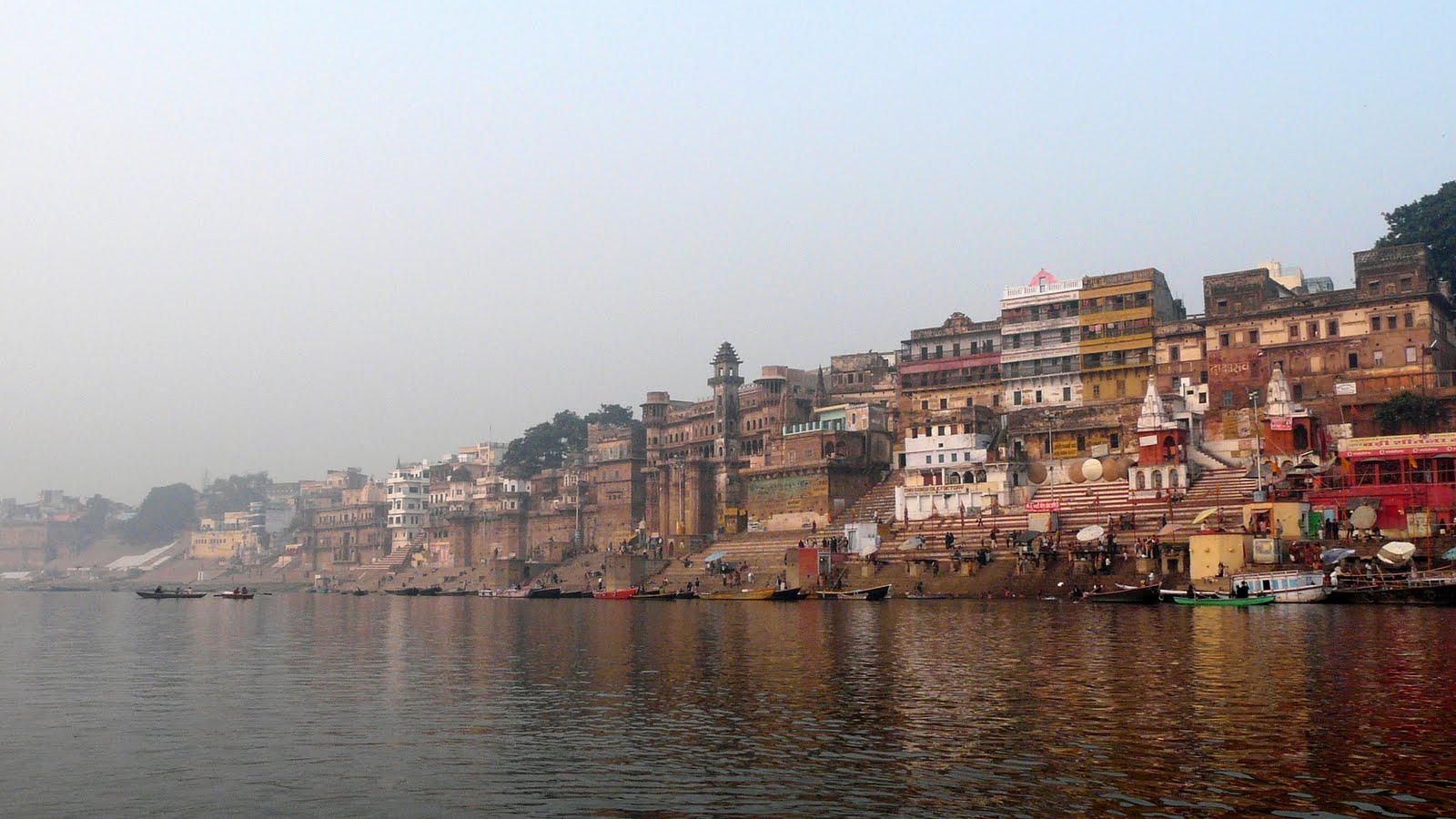
A sunrise boat ride in Varanasi can be extraordinary when river operations are permitted and visibility is clear. The façades of the historic ghats gradually emerge in soft light, and the city begins its morning prayers along the water. But winter fog may make a very early departure impractical or unsafe.
Boat movements may be suspended or restricted by the authorities for safety, river conditions or other operational reasons. A private boat booking is never a guarantee that sailing will be permitted on the day. We confirm the applicable local rules close to travel and discuss a realistic replacement if necessary.

Instead of abandoning the morning, a local guide can arrange a ghat-side sunrise walk at a suitable hour. The riverfront, small shrines, traditional ceremonies and adjoining lanes are fascinating from land as well. A private walk may be especially rewarding when visibility is limited and the sound of the city matters more than the river panorama.
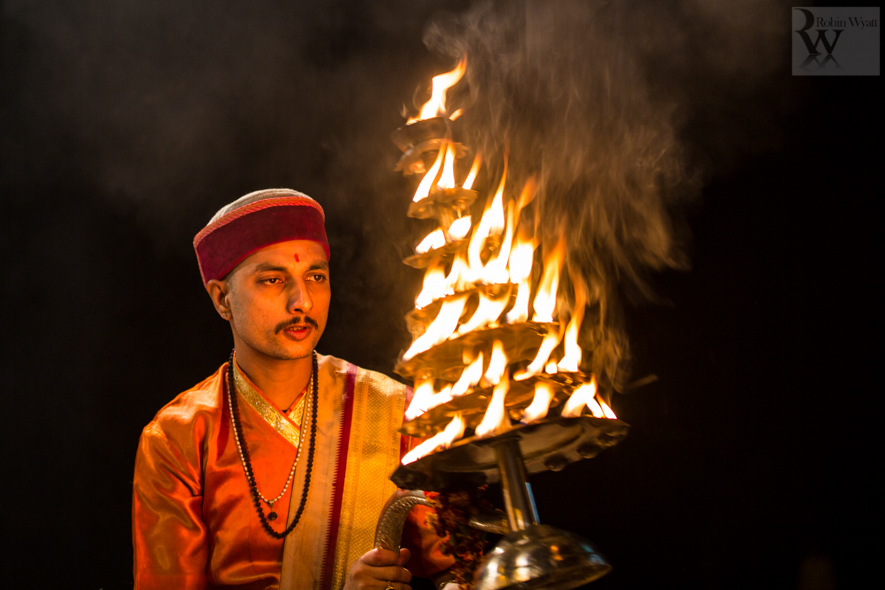
The evening Ganga Aarti at Dashashwamedh Ghat is a highlight of most first visits. In January, plan to arrive early enough to reach your viewing position without rushing through the congested approach lanes. Wear a warm layer for the ceremony.
We generally favour a thoughtfully chosen ghat or balcony viewing position over treating an offshore boat as the default place to watch. Depending on the availability and the family's preference, we can discuss reserved chairs or a Sankalp Aarti arrangement. These are different experiences; the most expensive option is not automatically the best for every traveller.
The cooler weather makes a visit to Shri Kashi Vishwanath Temple more comfortable than a hot summer afternoon, but it does not remove the walking involved. Private cars must stop outside the pedestrian-restricted inner-city approach. Temple queues, security screening, lockers and the day's official access procedures still apply.
Share any mobility needs before arriving. A practical guide helps plan the route and meeting point, but cannot promise a particular waiting time, special access or a temple-issued pass. Read our Kashi Vishwanath planning guide for the details to discuss beforehand.
For travellers who have not visited Kashi before, three days in Varanasi offer enough time to divide the riverfront, temples, culture and Buddhist heritage into manageable outings. The following is a framework rather than a rigid hour-by-hour promise.
Meet your chauffeur at Varanasi Airport or railway station and transfer to your hotel. After check-in and time to rest, join your English-speaking local guide for a walk through the Northern Bazaar and selected old-city lanes. This introduction is more enjoyable when it is not rushed after a flight or train journey.
Continue to the riverfront for the evening Ganga Aarti, with a seating arrangement chosen in advance where available. Return to the hotel after the ceremony. Overnight in Varanasi.
Begin with a private river excursion if permitted and visibility allows, or enjoy the local guide's alternative ghat walk. Continue through the old city towards the Kashi Vishwanath Temple approach, allowing time for the necessary checks and queues. Return to the hotel for breakfast or rest, according to the final sequence.
In the afternoon, select a few city landmarks rather than trying to visit everything. Banaras Hindu University and the New Vishwanath Temple can be paired with a working Banarasi weaving experience that explains the craft without making shopping compulsory. Overnight in Varanasi.
After breakfast, drive to Sarnath, the place traditionally associated with the Buddha's first sermon. Explore the Dhamek Stupa area, archaeological remains and Mulagandha Kuti Vihara with a guide. Include the archaeological museum when open; it is normally closed on Fridays.
Return to the city for your airport or station departure. Leave enough time for Varanasi traffic, particularly if departing after a holiday or busy weekend.
Sarnath works best when its visit is planned around realistic city movement and the rest of your Varanasi stay.
Combine the living city with Sarnath’s principal Buddhist monuments in one private programme.
ExploreUse Varanasi as a gateway to Bodh Gaya, Rajgir, Nalanda and the wider Buddhist circuit.
ExploreSee how we approach private guiding, vehicles, local access and journey support.
Explore