Kashi Vishwanath should be planned as a dedicated old-city visit, not a quick vehicle stop. Cars normally stop around Benia/Beniabagh Parking or Kudai Chowki, subject to the day's police barriers, and guests continue on foot. Foreign passport holders use the Temple Trust's foreign-visitor process and should carry their original passport plus passport and visa copies. Indian devotees may use Sugam Darshan where available.
Can foreign visitors enter Kashi Vishwanath Temple?
Yes, eligible foreign visitors can visit through the special foreign-tourist procedure operated by Shri Kashi Vishwanath Temple Trust. The current foreign visitor ticket is INR 600 per person. The visitor reports to the designated Temple Trust help counter, completes the required formality and is assisted by an authorised Shastri or Pundit appointed through the Temple Trust.
Based on the current local operating procedure, Muslim visitors are not permitted inside the main Kashi Vishwanath Temple. Other eligible foreign visitors may proceed through the prescribed foreign-visitor route. Because the Temple Trust's public foreigner information does not publish a permanent religion-by-religion eligibility table, we strongly recommend reconfirming the applicable rule close to the date of visit.
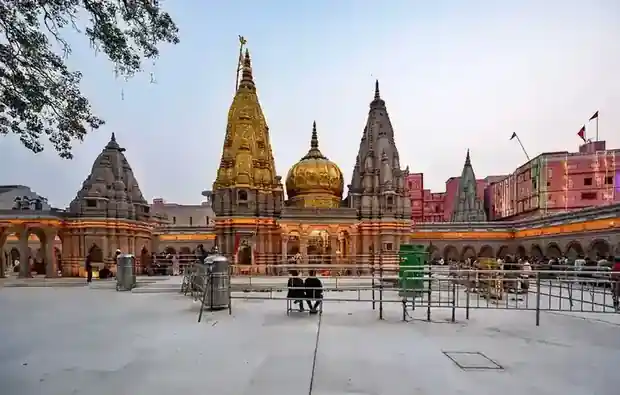
Foreign visitor ticket: INR 600 per person
Foreign passport holders should not simply enter the normal line without completing the foreign-visitor formalities. The foreign ticket presently costs INR 600 per person and includes Temple Trust assistance. In practice, the authorised Temple Trust representative accompanies the visitor through the permitted route, helps with darshan and brings the guest back towards the counter afterwards.
Documents foreign visitors should carry
Carry the original passport, a clear copy of the passport and a clear copy of the valid Indian visa. At the counter, the visitor completes a short form and the passport and visa details are checked and recorded for security verification. We recommend carrying printed copies rather than relying only on images stored on a mobile phone.
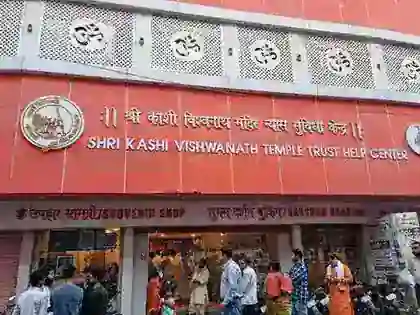
What happens to phones, cameras and valuables?
Restricted electronic items and valuables should be deposited before entering the temple security zone. A locker arrangement is available at the visitor/help-counter area; guests deposit their belongings, retain the locker key and collect the items after returning from darshan. Even with lockers available, our advice is to carry as little as possible.
How far can a foreign visitor go?
After completing the foreign-ticket procedure, eligible visitors are escorted through the authorised route and join the permitted darshan flow, broadly comparable to the assisted Sugam Darshan movement, up to the point allowed by the Temple Trust and security staff. The precise gate or darshan point can vary with crowd control and instructions on the day, so we do not promise a fixed distance from the Jyotirlinga in advance.
Sugam Darshan for Indian devotees
The Temple Trust currently lists Sugam Darshan at INR 250 per person, generally between 6:00 AM and 6:00 PM when the service is operating. It is an assisted darshan service and can make the visit more orderly, but it does not remove security checks or guarantee unrestricted access to the sanctum.
Can normal visitors touch the Jyotirlinga?
Touch Darshan or Sparsh Darshan should not be expected during normal darshan. The principal regular opportunity associated with closer access is the early-morning Mangala Aarti period. During the short access window before the Aarti, eligible Mangala Aarti ticket holders are given first priority according to the Temple Trust's operating arrangements.
Exceptional closer access can sometimes occur under authorised government, police or temple protocol with specific permission. That is not a normal tourist service and should never be sold or promised as part of an ordinary Sugam Darshan booking.
Mangala Aarti: plan it as a separate experience
Mangala Aarti takes place very early in the morning and requires advance planning. Guests need to reach the old city well before ordinary daytime sightseeing begins. If a guest's main religious priority is the closest possible darshan, the current Mangala Aarti procedure should be checked before the itinerary is finalised rather than assuming that an ordinary daytime ticket offers the same access.
Where does the car stop?
Private vehicles cannot drive to the main temple entrance. Under normal traffic arrangements, our drivers use the closest practical point around Benia/Beniabagh Parking or Kudai Chowki, depending on police barricades and the approach used that day. Guests then walk through the old-city access zone to the temple and walk back to the agreed meeting point after darshan.
On Mondays, during Sawan, Mahashivratri, festival dates and exceptionally crowded periods, the barricades can move farther out. This is why we set the driver meeting point before guests enter rather than asking them to find the car afterwards.
Visit Annapurna and Vishalakshi in the same trip
Annapurna Temple and Vishalakshi Temple are both close to the Kashi Vishwanath area. For pilgrimage-oriented guests, it is much more practical to include them during the same old-city visit instead of returning through the same traffic restrictions and pedestrian lanes later in the itinerary.
A useful sequence is Kashi Vishwanath → Annapurna → Vishalakshi, with the exact order adjusted according to crowd levels and the gate used that day.
Combine Kashi Vishwanath with the sunrise Ganges experience?
For active first-time visitors, yes. A well-paced morning can combine a private sunrise boat ride, a short old-city walk and Kashi Vishwanath before returning to the hotel for breakfast. For elderly pilgrims or guests whose main purpose is worship, we often plan the temple more directly and keep the boat experience separate.
Foreign visitors should avoid relying on old blogs
The corridor, traffic barriers, foreign visitor procedure and security arrangements have changed over time. A video or forum post from several years ago may describe a process that no longer works. We reconfirm important temple arrangements close to travel and recommend the same approach for independent visitors.
Temple entry, religious access, ticketing, security and traffic arrangements are subject to the instructions in force from Shri Kashi Vishwanath Temple Trust and the local administration. Reconfirm close to travel.