Varanasi, Prayagraj and Ayodhya work naturally together, but the route is much better when each city is given a clear purpose.
Start with two nights in Varanasi
Varanasi needs the most time. Two nights lets you see the old city and evening Aarti on one day, then sunrise, sacred Varanasi and Sarnath on the next. Three nights is even better if you enjoy a slower pace.
Use Prayagraj as a one-night stop
Prayagraj is most meaningful around the Triveni Sangam. A private boat to the confluence, when operating, can be combined with selected city sights such as Anand Bhavan or Khusro Bagh. One night normally works well for a first visit.
Give Ayodhya two nights if possible
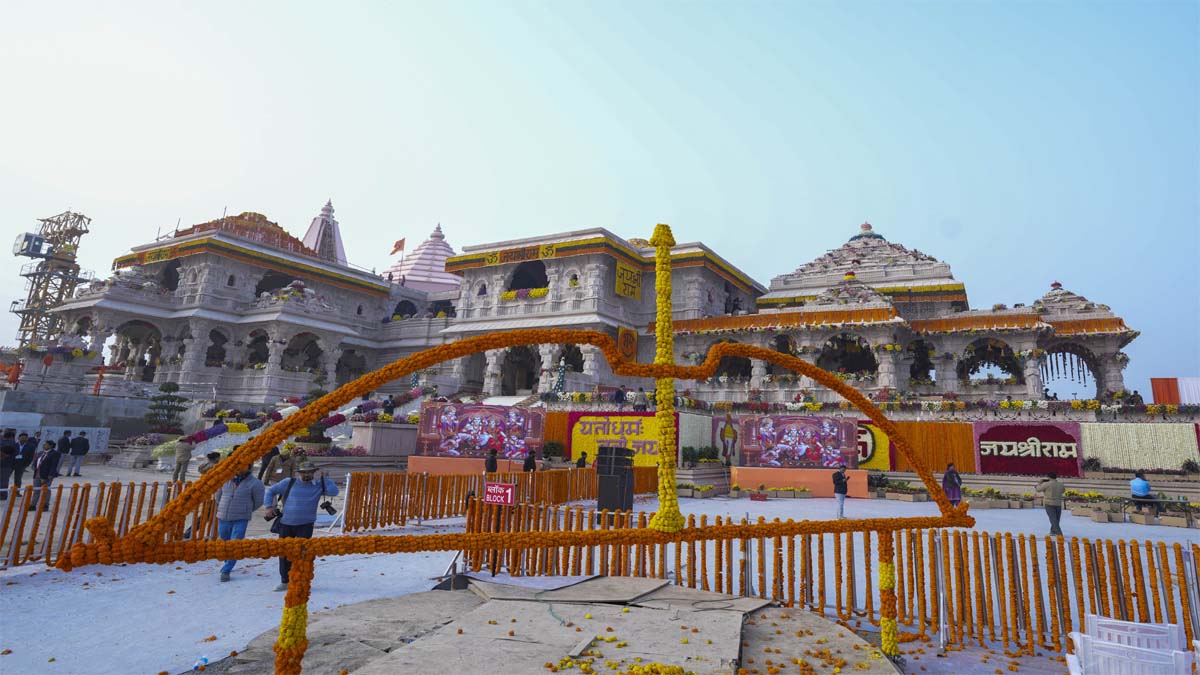
One night can reduce Ayodhya to a temple visit. Two nights allows Ram Janmabhoomi, Hanuman Garhi, Kanak Bhawan, the old city, Ram Ki Paidi and the Saryu riverfront at a more comfortable pace.
Understand the access difference
Ayodhya requires more local walking and e-rickshaw movement around the main temple area because private vehicles cannot always reach the principal sites. A senior guide who stays with the guest through the local movement makes the experience much easier.
A good six-day rhythm
Day 1 arrive Varanasi. Day 2 sunrise and Sarnath. Day 3 drive to Prayagraj and visit the Sangam. Day 4 continue to Ayodhya and keep the evening light. Day 5 full Ayodhya. Day 6 depart. The programme can be reversed depending on flights and trains.
Who this route suits
It works particularly well for travellers interested in Hindu sacred cities, Indian religious life and cultural history, but who still want private transport, good hotels and a comfortable pace.
Road transfers should be treated as part of the itinerary
Varanasi to Prayagraj and Prayagraj to Ayodhya are manageable drives, but traffic at city exits and temple areas can stretch the day. We start with a sensible breakfast time, keep luggage ready and avoid adding minor sightseeing simply because the car passes nearby. The goal is to reach the next city with enough energy for one meaningful experience rather than arrive late after collecting roadside stops.
Prayagraj works best when the Sangam is given priority
For most first-time visitors, the Triveni Sangam is the reason to include Prayagraj. Boat access and river conditions should be checked locally, especially around major bathing dates when barricades and parking arrangements change. We normally visit the Sangam in the morning when possible, then add selected city sights according to interest. This prevents the programme from becoming a generic city tour that rushes the spiritual focus of the stop.
Ayodhya needs more walking than many guests expect
The new roads and large parking areas can create the impression that the main temples are fully car accessible. In practice, security zones around Ram Janmabhoomi and other central sights still require walking and often local e-rickshaw movement. On busy dates the stopping point can move farther away. We warn guests in advance, keep footwear practical and plan the sequence so that Hanuman Garhi, Kanak Bhawan and the riverfront are not approached inefficiently.
Where to add an extra night
If you have one additional night, we usually add it to Varanasi rather than Prayagraj. Varanasi benefits most from a slower pace because the best experiences happen at different times of day. An extra Ayodhya night can also make sense for religious travellers who want a second darshan or more time around the Saryu. Prayagraj generally remains a one-night stop unless a festival, family purpose or special-interest visit requires more time.
Arrival and departure city can change the best direction
The route does not have to run in one fixed order. Flights and trains may make Ayodhya–Prayagraj–Varanasi more efficient, or a Lucknow arrival may make Ayodhya the natural first stop. We compare actual transport timings before fixing the sequence. A good private itinerary should reduce unnecessary backtracking even if that means presenting the cities in a different order from a standard brochure.