For a first visit, prioritise sunrise on the Ganges, an old-city walk, the evening Ganga Aarti, Sarnath and one experience that matches your own interests.
1. See Varanasi from the river at sunrise
The ghats are easiest to understand from the water before the city becomes busy. A private boat also gives your guide time to explain what you are seeing.
2. Walk through the old city
Cars cannot show you the most interesting part of Varanasi. Walk through market lanes, small shrines and neighbourhood streets with someone who knows when to stop and when to keep moving.
3. Watch the evening Ganga Aarti
See the ceremony with a viewing arrangement suited to your comfort and the crowd conditions on the day.
4. Give Sarnath half a day
Sarnath adds a very different layer to the visit and is especially important for travellers interested in Buddhism and Indian history.
5. Choose one deeper experience
A guided food walk, home-cooking experience, artisan trail, Kathak experience, photography walk or a deeper neighbourhood walk can make the trip more personal. Pick one or two rather than trying to do everything.
6. Visit Kashi Vishwanath with realistic expectations
For many Hindu travellers the temple is central to the trip, while international visitors may be more interested in the surrounding old-city atmosphere and corridor. Security is strict and electronic items are restricted inside the temple area. Walking and queues vary by day. We plan the temple visit around current access rules and never promise that a so-called VIP arrangement will remove all waiting or security procedures.
7. Spend time at BHU and the southern side of the city
Banaras Hindu University and the New Vishwanath Temple give a completely different sense of space from the old lanes near the ghats. This area combines naturally with Sankat Mochan, Tulsi Manas and other southern sights. It is best visited by private vehicle after the early-morning programme, when guests want an easier pace and a break from the densest pedestrian areas.
8. See how Banarasi silk is actually made
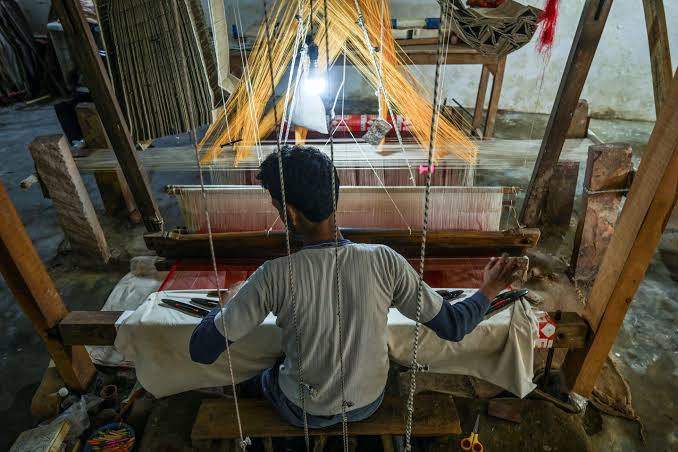
Our Banarasi Silk & Weaving Experience is worthwhile when it is genuine and not only a shop stop disguised as an experience. We like guests to see the loom, understand the time involved in producing a sari or textile and hear how designs are created before any discussion of buying. Purchasing should remain optional. The experience is particularly good for travellers interested in craft, design and the working life of the city.
9. Add food in small doses
Varanasi street food is memorable, but trying ten rich items in one evening is not necessary. A guided Varanasi Food Walk works better when the tastings are selected around time of day, freshness and the rest of the itinerary. A guided tasting with smaller portions, clean busy vendors and a mix of savoury and sweet items is more comfortable for most international travellers. Food works best as part of an evening walk, not as a challenge to eat every famous dish seen on social media.
10. Leave one unscheduled hour
This may be the most useful recommendation on the list. Varanasi rewards time that is not attached to a monument: sitting near the river, watching a small shrine, returning to a lane you liked or simply having tea after an early start. A private itinerary should create room for that. If every ten minutes is pre-booked, the city begins to feel like a checklist and you lose the very quality that makes it different.
How we would combine these experiences
For two days, prioritise sunrise, old city, Kashi Vishwanath area, Sarnath and evening Aarti. With a third day, add the southern side of Kashi and one deeper experience such as weaving, home cooking, photography or music. If you have four days, slow the pace rather than adding a dozen more stops. We normally recommend choosing experiences according to your interests and mobility, because the best Varanasi trip is not the one with the longest sightseeing list.