For most first-time visitors, one full day is the minimum and two nights is more comfortable. Expect walking or local e-rickshaw movement near the sacred core because private vehicles cannot simply drive to every temple entrance.
Ayodhya has changed quickly around the new Ram Mandir, and that makes practical planning more important than ever. The best visit balances the principal darshan with older temples, the Sarayu riverfront and enough time for security and pedestrian movement.
Why Ayodhya needs realistic planning
Ayodhya has changed more rapidly than almost any major pilgrimage destination in North India. The opening of the new Ram Mandir has made the city a national focal point for Hindu pilgrimage, but a meaningful visit should not begin and end at the main temple. Ayodhya’s identity is tied to the Ramayana tradition, the Sarayu River, a network of older temples and ghats, and neighbourhoods whose religious importance predates the current redevelopment. For first-time visitors, the practical reality is that vehicle access near the main sacred zone is controlled and can change according to crowd levels, security instructions and festival dates. A private vehicle remains important for reaching the city and moving between wider areas, but guests should expect walking and, at times, local e-rickshaw movement for the final approach. We make this clear before arrival because realistic expectations are the difference between an absorbing pilgrimage and a tiring one.
How we would structure the visit
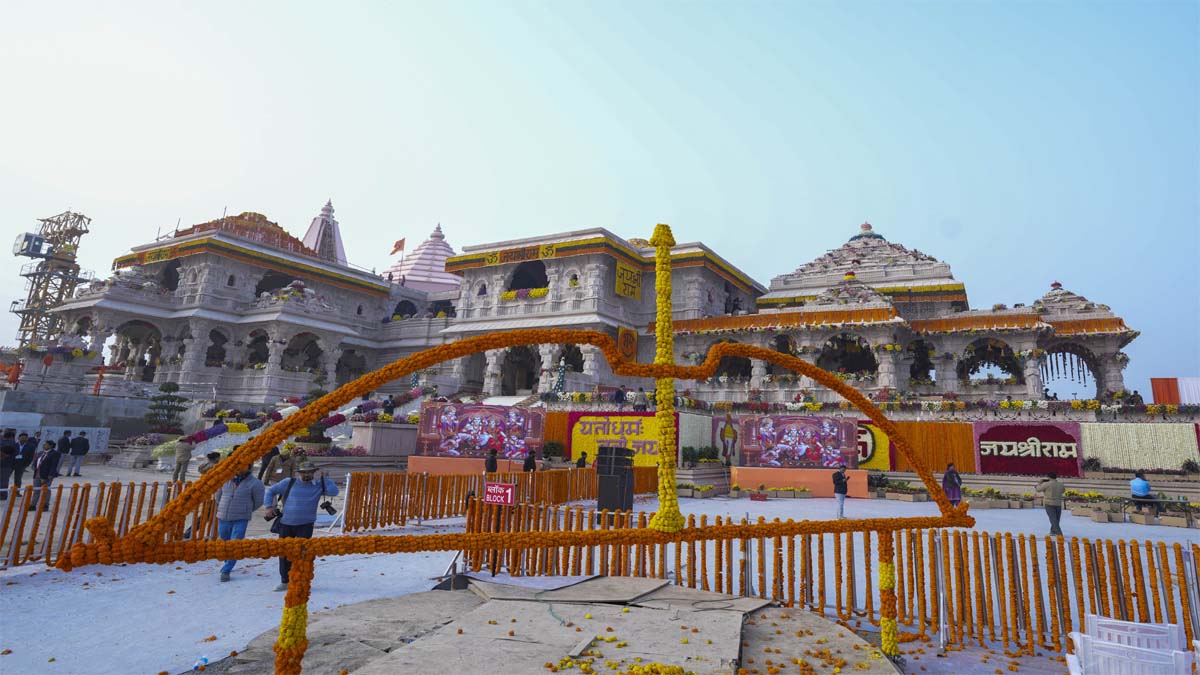
Ram Janmabhoomi is naturally the central visit. Security is strict, personal belongings are limited, and official procedures can change without much notice. We therefore plan the day around a comfortable arrival window rather than promising a particular queue time or so-called guaranteed VIP access. Hanuman Garhi and Kanak Bhawan sit within the broader temple circuit and help explain how Ayodhya is experienced by pilgrims rather than by monument collectors. Hanuman Garhi, with its steps and dense surroundings, can be demanding for guests with mobility concerns, while Kanak Bhawan often feels more spacious. A local guide can sequence these places according to the day’s crowd pattern and, just as importantly, tell you when it is wiser to change the order.
Shri Ram Janmabhoomi Mandir
The Ram Mandir is the principal pilgrimage focus in modern Ayodhya and should be given proper time rather than treated as one stop among many. The final approach is pedestrian-controlled, with security procedures and restrictions on what can be carried inside. Queue conditions vary by day, festival calendar and official movement controls, so exact waiting time should never be promised in advance. We keep the vehicle at the practical permitted point and help guests understand where walking or local transport begins. The visit is most comfortable when it is scheduled as the anchor of the morning and other temples are arranged around it.
Hanuman Garhi
Hanuman Garhi is one of Ayodhya’s most important temples and is traditionally visited by many pilgrims in connection with Ram Janmabhoomi. The approach includes a flight of steps and the surrounding lane can become extremely busy, especially on Tuesdays, Saturdays and festival dates. The temple’s elevated setting and compact courtyard create a very different experience from the new Ram Mandir complex. Guests with knee or mobility concerns should tell us beforehand so we can adjust the pace and avoid stacking too many step-heavy visits together. Local access instructions change, so the guide confirms the most practical approach on the day.
Kanak Bhawan
Kanak Bhawan is associated in local tradition with Rama and Sita and is one of the most graceful stops in the central temple circuit. Its courtyards and decorated interiors usually allow a little more time for observation than the faster-moving queue at the main temple. It is well located to combine with Hanuman Garhi and the pedestrian areas around Ram Ki Paidi. The temple is active rather than functioning purely as a monument, so aarti, worship and crowd patterns influence the visitor experience. We use it to slow the programme down and add context to Ayodhya beyond the headline Ram Janmabhoomi visit.
For a complete two-night stay, see our luxury Ayodhya tour with Ram Mandir and Saryu Aarti. It combines a Ram Ki Paidi walk, Kaleram and Nageshwar Nath temples, reserved Aarti seating and deep daan, followed by the principal temples the next morning. Read the itinerary for the darshan arrangements, hotel options, inclusions and exclusions.
Practical planning notes
We do not build this journey around fixed internet timings copied months in advance. Temple procedures, monument openings, traffic controls, road conditions and local access can change. The sensible approach is to confirm the important operating details close to travel, keep enough buffer around the most important visit, and avoid adding another major stop simply because it appears close on a map.
For senior travellers or anyone with limited mobility, tell us before travel rather than after arrival. We can shorten walking sections, choose more practical hotel locations, place rest time between outings and avoid combining several physically demanding visits in one block. Private transport is valuable, but in India’s sacred and heritage districts the final approach is often still pedestrian-controlled.
Plan this journey privately
Share your dates, interests and preferred pace. We will suggest a practical private programme rather than a generic sightseeing checklist.