Two nights is our preferred minimum for Bodh Gaya. It allows an arrival evening, one full day for the Mahabodhi complex and wider sacred landscape, and a quieter morning before continuing to Rajgir and Nalanda.
Bodh Gaya is the spiritual centre of the Buddhist circuit, and its value is not measured by how many monasteries can be photographed in one afternoon. A meaningful visit needs time at the Mahabodhi Temple and Bodhi Tree, plus a small number of wider sites that explain the Buddha’s journey toward enlightenment.
Why Bodh Gaya needs realistic planning
Bodh Gaya is the spiritual heart of the Buddhist circuit in India. It is the place where Siddhartha Gautama is traditionally understood to have attained enlightenment beneath the Bodhi Tree, and the Mahabodhi Temple complex remains the central focus for pilgrims from across Asia and the wider world. The town is compact compared with Varanasi, but the experience is not improved by treating it as a half-day monument stop. The most rewarding visits allow time to return to the Mahabodhi complex at different hours, sit quietly beneath the descendant of the Bodhi Tree, observe international groups chanting and walking in meditation, and then explore a small number of monasteries representing Buddhist traditions from different countries. For travellers beginning in Varanasi, the road journey to Bodh Gaya is substantial enough that we normally treat arrival day as a transfer day with only an optional evening temple visit.
How we would structure the visit
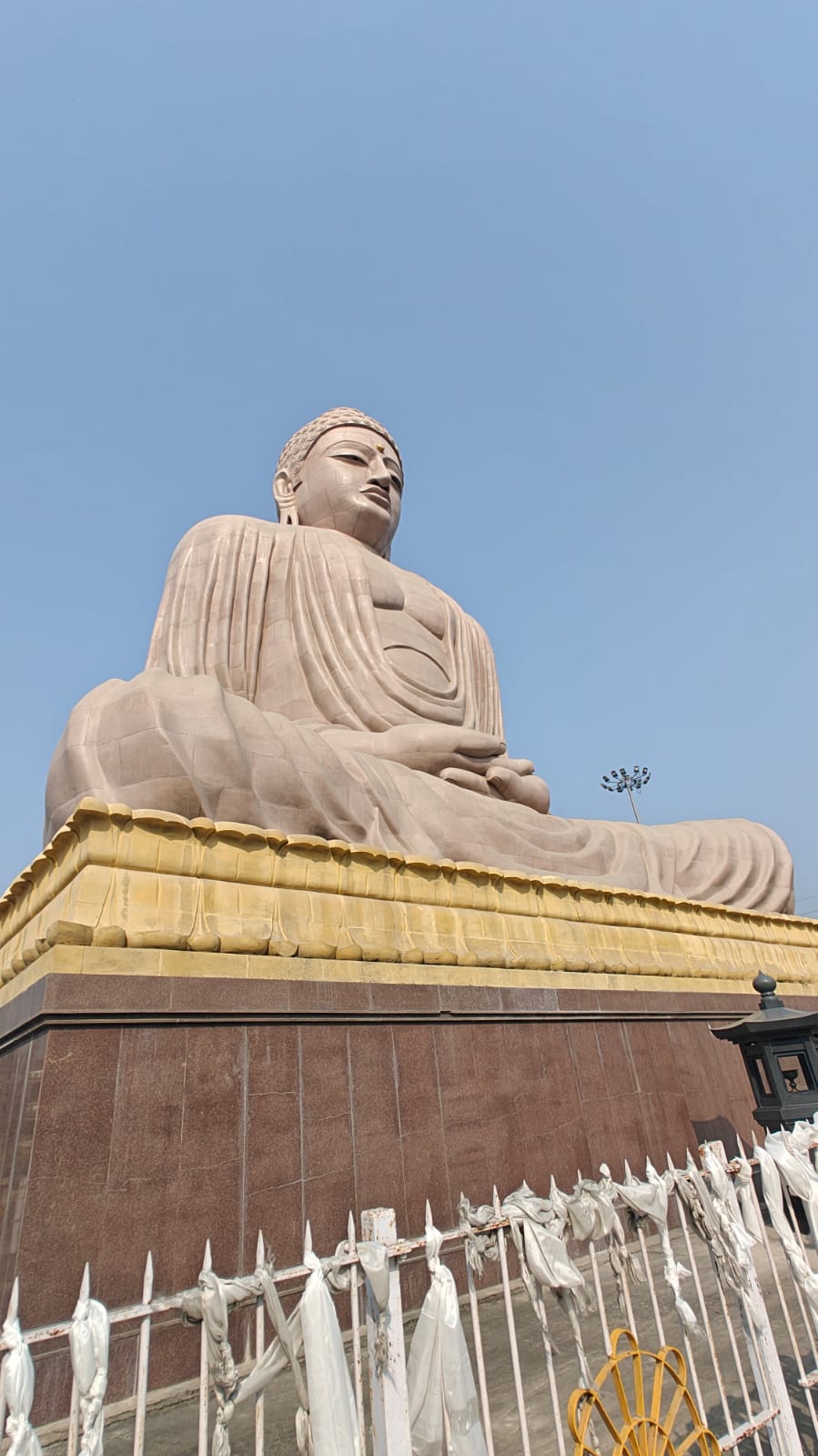
The Mahabodhi Temple is a UNESCO World Heritage Site and the anchor of the visit. Security procedures are formal, photography and electronic-device rules can be controlled, and the quiet devotional atmosphere deserves respect even when the complex is busy. Close to the temple stands the Vajrasana, the diamond throne associated with the enlightenment spot, and the sacred Bodhi Tree. A guide helps explain how the temple’s architecture, archaeological history and later restorations relate to the living pilgrimage taking place around them. The Great Buddha Statue and selected monasteries—Thai, Japanese, Tibetan, Bhutanese and others—can be visited later in the day, but we avoid turning the international monastic area into a race through every national temple.
Mahabodhi Temple Complex
The Mahabodhi Temple complex is the centre of Bodh Gaya and the place where most Buddhist travellers want to spend the greatest amount of time. Its soaring brick temple, archaeological remains and active devotional spaces bring together history and living practice in one compact area. Security checks are routine, and rules regarding phones, cameras and belongings can change, so guests should arrive prepared to follow current instructions. We normally visit once with a guide for historical context and leave room for an independent return for prayer or meditation. The experience is strongest when it is not compressed between several monastery stops on the same hour-by-hour schedule.
Bodhi Tree & Vajrasana
The Bodhi Tree beside the Mahabodhi Temple is revered as a descendant of the tree beneath which the Buddha attained enlightenment. The Vajrasana, or diamond throne, marks the sacred spot associated with that event and is one of the most important elements of the complex. Pilgrims sit, chant, prostrate and meditate around this area, so the pace should be quiet and observant. A guide can explain the historical layers while also knowing when to stop talking and allow the atmosphere to speak for itself. We encourage guests to spend longer here than a standard sightseeing circuit usually allows.
Great Buddha Statue & International Monasteries
The Great Buddha Statue has become one of Bodh Gaya’s best-known modern landmarks and provides an easy visual introduction to the international Buddhist character of the town. Nearby monasteries have been built by Buddhist communities from Thailand, Japan, Bhutan, Tibet, Myanmar and other countries, each reflecting its own architectural and ritual traditions. Visiting every monastery is neither necessary nor practical in a short stay. We select two or three according to the guest’s interest, the day’s opening hours and the route. This keeps the experience meaningful and avoids reducing living religious communities to a sequence of decorative buildings.
Practical planning notes
We do not build this journey around fixed internet timings copied months in advance. Temple procedures, monument openings, traffic controls, road conditions and local access can change. The sensible approach is to confirm the important operating details close to travel, keep enough buffer around the most important visit, and avoid adding another major stop simply because it appears close on a map.
For senior travellers or anyone with limited mobility, tell us before travel rather than after arrival. We can shorten walking sections, choose more practical hotel locations, place rest time between outings and avoid combining several physically demanding visits in one block. Private transport is valuable, but in India’s sacred and heritage districts the final approach is often still pedestrian-controlled.
Plan this journey privately
Share your dates, interests and preferred pace. We will suggest a practical private programme rather than a generic sightseeing checklist.