Mathura is the historic urban centre of Braj and is revered in Hindu tradition as the birthplace of Krishna. For many travellers it is paired automatically with Vrindavan, only a short drive away, but the two places have distinct personalities. Mathura feels like an older pilgrimage city built around the Yamuna, dense bazaars and long-established temple neighbourhoods; Vrindavan is more concentrated around Krishna-Radha devotion and a large network of temples and ashrams. A good programme gives each place its own block of time instead of using “Mathura–Vrindavan” as a single two-hour stop on the way from Delhi to Agra. This is particularly important during Janmashtami, Holi and major Ekadashi dates, when crowd controls can transform travel times and temple access.
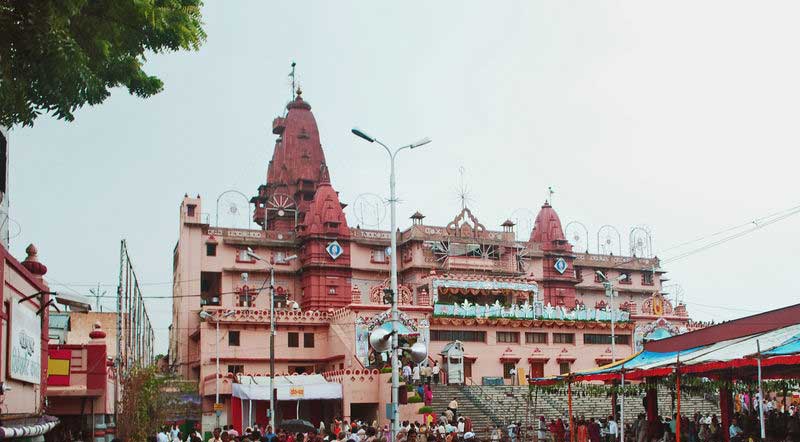
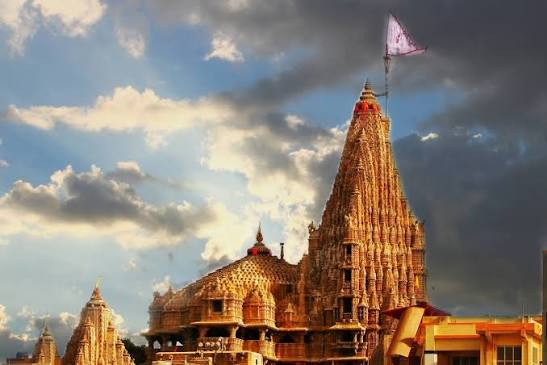
Shri Krishna Janmasthan is the natural focus in Mathura. The complex is associated with the traditional birthplace of Krishna and operates under significant security, which means personal belongings and photography are controlled. The visit can take considerably longer than the physical size of the complex suggests because queues and screening vary. Dwarkadhish Temple belongs to a different strand of Mathura’s devotional life and is best combined with the old market and Vishram Ghat. The lanes between these places are part of the experience, full of flower sellers, sweets, devotional objects and local activity. We encourage guests to walk a manageable section rather than trying to reach every temple by vehicle.
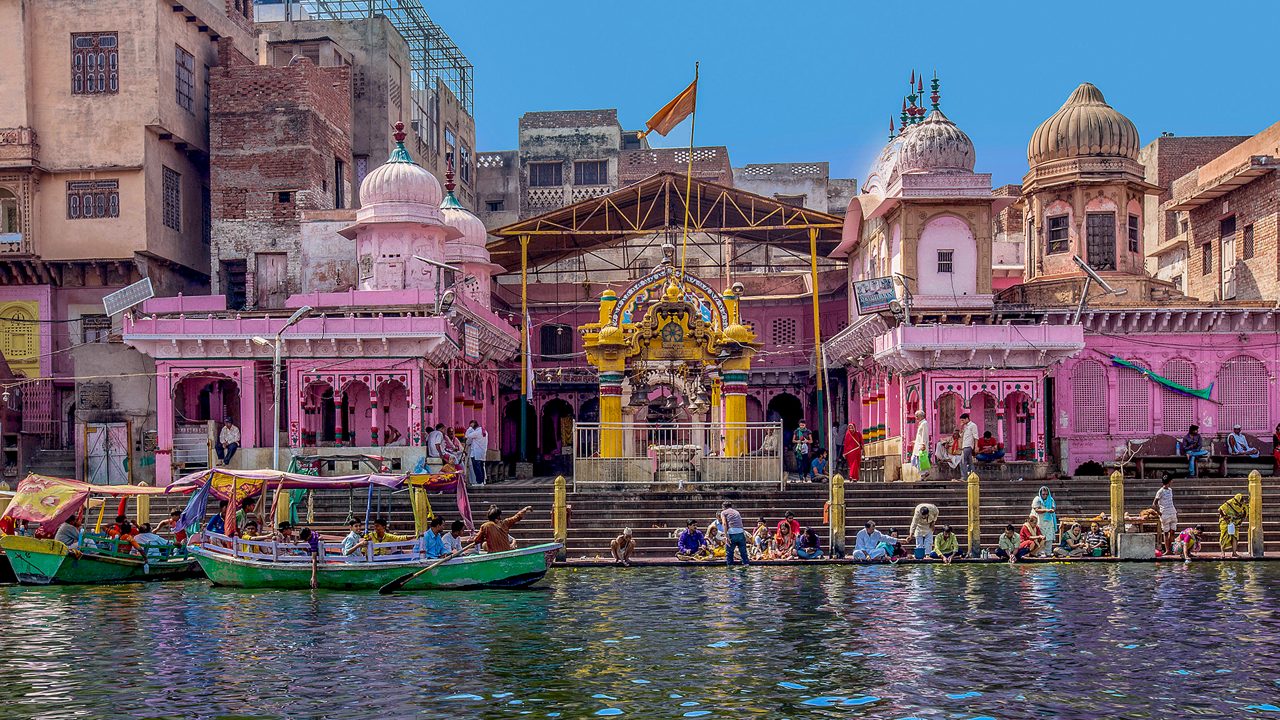
Vishram Ghat brings the city back to the Yamuna. It is associated in tradition with Krishna resting after defeating Kansa and is the principal riverfront point for many pilgrims. Evening Yamuna aarti is smaller than Varanasi’s Ganga Aarti and has its own local rhythm. Boat activity and river conditions should be judged on the day rather than assumed. The Government Museum, for travellers interested in archaeology and sculpture, provides important context for Mathura’s role as an ancient artistic centre, particularly the celebrated Mathura school of sculpture. It is a valuable counterbalance to an itinerary otherwise dominated by active temples.
Mathura is also a base for the wider Braj landscape: Gokul, Mahavan, Govardhan, Barsana and Nandgaon. Market packages often try to cover all of these in a single day, but that creates a pilgrimage by windshield. If the guest has only one night, we keep the focus on Mathura and Vrindavan. With two or three nights, Govardhan and selected Braj villages can be added according to devotional interest. From Delhi, Mathura is reached conveniently by road and rail; Agra lies naturally onward to the south. This geography is why Delhi–Mathura–Vrindavan–Agra is one of the most practical short extensions to the Golden Triangle, and why we use it as the western beginning of longer sacred journeys towards Ayodhya, Prayagraj and Varanasi.
Best forKrishna pilgrimage · Braj culture
Suggested stay1–2 nights with Vrindavan
Typical paceTemple crowds + short walks
Planning stylePrivate & flexible