Delhi is not one city but several historical capitals layered across a vast modern metropolis. Mughal Old Delhi, the broad imperial avenues of New Delhi, medieval monuments farther south and contemporary neighbourhoods all belong to different periods, and trying to cover them in one hurried day produces more time in traffic than at the sites themselves. For this reason, we treat Delhi differently depending on the journey. On many of our longer sacred routes it is simply the arrival or departure gateway, with no compulsory sightseeing. When a guest genuinely wants to explore the capital, however, we build a focused day around a small number of areas rather than attaching a generic city tour to every programme.
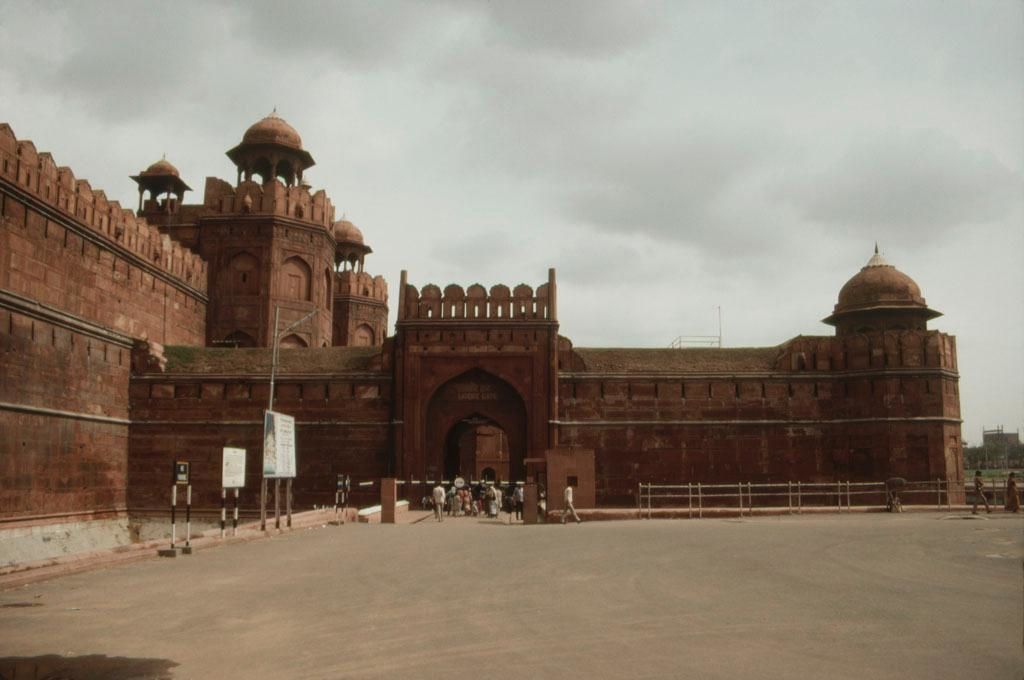
Old Delhi is the most intense part of the city for many first-time visitors. The Red Fort stands at the edge of the historic Shahjahanabad area and helps explain the scale and ambition of the Mughal capital. Nearby Jama Masjid, Chandni Chowk, old markets, food lanes and religious sites create a dense urban experience that is better explored partly on foot or by carefully chosen local transport. Vehicle access and security controls vary, particularly around national events and major religious dates. A private guide is valuable not only for history but for deciding when a walking section makes more sense than repeatedly moving the car through congested streets.
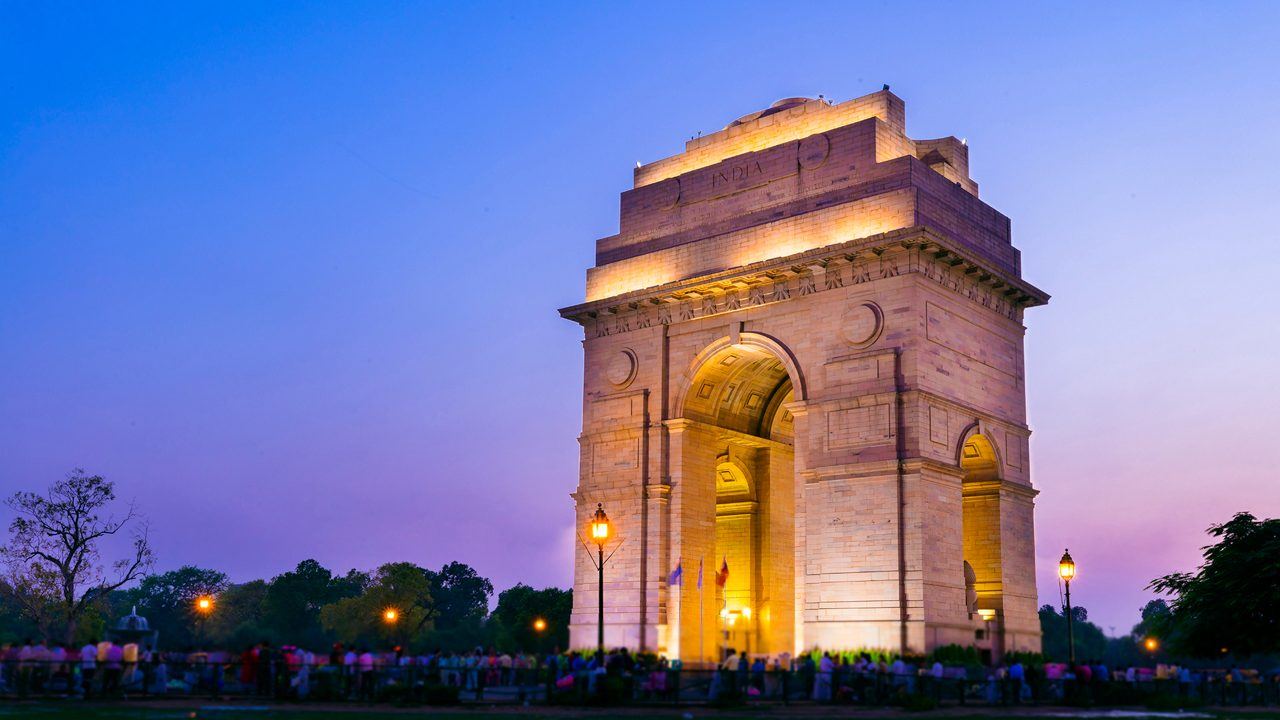
New Delhi presents a completely different urban language. India Gate, the ceremonial avenues, government buildings and landscaped central districts reflect the twentieth-century imperial plan and remain part of the national civic landscape today. The area is easy to view by vehicle with selected stops, but access can change around state functions, rehearsals and security events. Farther south, Humayun’s Tomb is one of the strongest architectural links between earlier Mughal tomb design and the later Taj Mahal, while Qutub Minar introduces an even older layer of Delhi’s history. These sites are separated by substantial urban distances, so a sensible route depends on hotel location and the guest’s available time.
Delhi also offers living religious and cultural experiences beyond formal monuments. Gurudwara Bangla Sahib can be an excellent introduction to Sikh worship and community service when visited respectfully, while selected markets, museums and neighbourhoods can be added according to interest. The city’s restaurant scene makes it possible to approach regional Indian food in a more controlled setting before or after a longer journey. Two nights is usually the minimum if sightseeing is important, because arrival and departure traffic can consume significant time. At the same time, we do not insist on sightseeing simply because the international airport is in Delhi. For guests whose priorities are Agra, Braj, Ayodhya or Varanasi, a simple airport transfer and overnight can be the better use of the day.
Best forArchitecture · history · arrival gateway
Suggested stay1–3 nights
Typical paceUrban traffic + monument walking
Planning stylePrivate & flexible